
The intriguing journey of gambling tracing its historical evolution
The Ancient Roots of Gambling
The history of gambling stretches back thousands of years, originating in ancient civilizations where games of chance were intertwined with religious and social practices. Evidence of gambling activities can be traced to ancient China, where tiles dating back to around 2300 BC were used in a rudimentary form of a lottery game. Similarly, ancient Egyptians participated in betting games, often involving dice and knucklebones, highlighting that gambling has long been an integral part of human culture. Today, you can have a thrilling experience at QQBet casino, which showcases the evolution of these classic games.

In Mesopotamia, gambling took on a more organized form, with archaeological findings indicating that the earliest known dice were discovered in the region, dating back to 3000 BC. These early games were not merely a pastime; they often held cultural significance and were used to settle disputes or make decisions. This illustrates how gambling was more than just entertainment; it was a method of infusing randomness into the decision-making processes of daily life.
The Greeks and Romans advanced gambling into a more structured system, establishing rules for various games. The Greeks introduced betting on athletic competitions, while the Romans popularized dice games and betting in their vast empire. This incorporation of gambling into social events made it a common practice across various strata of society, paving the way for its evolution into organized forms that would emerge in the Middle Ages.
The Medieval and Renaissance Periods
The Middle Ages saw gambling being both embraced and criticized, particularly by the church, which condemned it for its association with sin and vice. Despite this, various forms of gambling persisted, including card games, which gained popularity in Europe. The invention of playing cards in the 14th century introduced new avenues for gambling, leading to the creation of games such as Poker and Blackjack, which would later become staples in modern casinos.
The Renaissance period was crucial for the evolution of gambling, as it saw the establishment of gambling houses and the formalization of betting practices. The first official lottery was held in Florence in 1530, providing states with a new revenue source while captivating the public’s imagination. This proliferation of gambling activities during the Renaissance set the stage for the legal structures and regulations that would govern gambling in the centuries to follow.
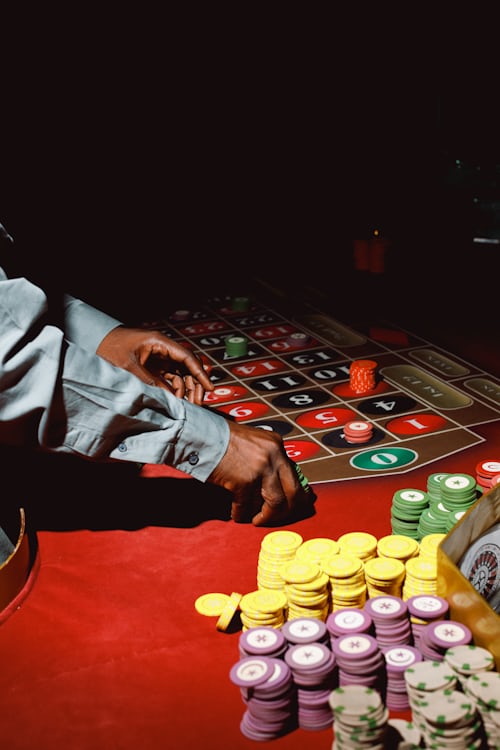
During this period, games of chance, like roulette, emerged in France, creating a cultural phenomenon that combined socializing and chance. The social aspect of gambling became increasingly important, as it brought people together in a shared experience that transcended class boundaries, thus entrenching gambling deeper into the fabric of society.
The Rise of Modern Gambling
The 19th century marked a significant turning point in the history of gambling, with the establishment of the first official casinos. The first modern casino opened in Venice in 1638, but it was in the 1800s that casinos proliferated across Europe and America, leading to a more regulated and organized gambling environment. This period also witnessed the legalization of gambling in many states, allowing for the rise of horse racing and various betting activities, firmly establishing gambling as a legitimate form of entertainment.
Technological advances during this time also played a crucial role in transforming the gambling landscape. The invention of slot machines in the late 19th century revolutionized the gambling experience, making it accessible to a broader audience. These machines provided instant gratification and a simple way to gamble, attracting individuals who might not have previously engaged in traditional card games or betting.
The social acceptance of gambling grew significantly in the 20th century, aided by the establishment of Las Vegas as a gambling hub. This iconic city introduced a lavish lifestyle associated with casinos, featuring elaborate shows and a bustling nightlife. This cultural shift positioned gambling not merely as a pastime but as a form of entertainment that was both exciting and glamorous, attracting millions of visitors worldwide.
The Digital Revolution in Gambling
As we moved into the 21st century, the advent of the internet brought about a seismic shift in the gambling industry. Online casinos emerged, allowing players to access their favorite games from the comfort of their homes. This innovation not only broadened the reach of gambling but also introduced new forms of gaming, including live dealer options and various online betting systems, providing a more interactive experience.
The digital landscape has enabled gambling to become more personalized, with platforms utilizing data analytics to tailor experiences to individual preferences. Additionally, the rise of mobile gaming has transformed how players engage with gambling, allowing them to place bets and play games on the go. This evolution is reflective of broader societal trends toward technology and accessibility, making gambling more integrated into everyday life.
Furthermore, the rise of cryptocurrencies has begun to influence gambling, with many online platforms now accepting digital currencies. This has added a layer of anonymity and security for players, appealing to a younger demographic that is more comfortable with digital transactions. As the industry continues to innovate, the future of gambling looks poised to explore further advancements in technology, regulation, and player engagement.
Exploring the World of QQBet Casino India
Among the many platforms available today, QQBet Casino India stands out as a prime example of the modern gambling experience. Offering over 5,000 games, including slots and live dealer options, QQBet combines a rich selection of entertainment with a secure, licensed gaming environment. The site not only prioritizes user safety but also provides a fast and efficient transaction process, ensuring that players can enjoy their gaming experience without unnecessary delays.
New players are welcomed with generous promotional offers, such as a 150% bonus on their first deposit and 150 free spins, which adds excitement and encourages exploration of the vast game library. QQBet’s commitment to customer support enhances the user experience, offering assistance 24/7 to address any inquiries or concerns that players may have.
As gambling continues to evolve, platforms like QQBet Casino India represent the intersection of tradition and innovation, catering to the changing preferences of modern gamers. The site is dedicated to providing thrilling gaming experiences tailored for Indian players, making it a top choice for anyone looking to engage in the intriguing world of online gambling.
Leave a Reply